
 EN
EN
 English
 русский
 简体中文
简体中文

The mineral you choose for cutting, grinding, or drilling determines whether your tool lasts a shift or a month. In practice, the answer to "which mineral is used for cutting, grinding, and drilling?" is not one mineral but a small family: diamond, cubic boron nitride, aluminum oxide, and silicon carbide lead the list, with zirconia alumina, ceramic alumina, and natural abrasives filling specific niches. Each has a unique combination of hardness, thermal stability, and chemical compatibility that makes it ideal for certain materials and unsuitable for others. Understanding those differences is what separates efficient, economical processing from broken tools, premature wear, and wasted hours.
What Makes a Mineral Suitable for Cutting, Grinding, and Drilling?
Hardness is the first criterion, because an abrasive must be harder than the workpiece to cut it effectively. The Mohs scale, which ranks minerals from 1 (talc) to 10 (diamond), is useful as a quick reference, but it is too coarse for engineering decisions. The Knoop scale provides more practical numbers: diamond sits near 10,000, cubic boron nitride around 4,700, silicon carbide around 2,500, and aluminum oxide around 2,000 to 2,200. A cutting edge or grinding grain should be significantly harder than the material being worked, otherwise it dulls quickly and the process slows to a crawl.
Yet hardness alone does not decide which mineral is best. Toughness keeps abrasive grains from shattering under impact. Thermal stability allows a mineral to stay hard at grinding temperatures. Chemical inertness prevents unwanted reactions with the workpiece. And cost per finished part determines whether a premium abrasive is worth the investment. The classic example is diamond: it is the hardest known mineral, yet it is unsuitable for grinding ordinary steel because carbon reacts with iron at high temperature, rapidly destroying the cutting edge. That single limitation explains why other minerals remain indispensable for ferrous materials.
The Top Minerals Used for Cutting, Grinding, and Drilling
Diamond — The Hardest Mineral of All
Diamond, whether mined or produced synthetically, is the hardest natural material known. With a Knoop hardness of approximately 10,000, it slices through glass, ceramic, tungsten carbide, concrete, stone, and titanium alloys with ease. Industrial grinding wheels, saw blades, drill bits, and wire-drawing dies rely on synthetic diamond, which offers lower cost and better consistency than natural stones. The critical limitation is chemical: diamond must not be used on ferrous materials such as steel and iron, because the carbon and iron react at high temperature and eat away the tool. For non-ferrous and non-metallic work, however, diamond is the supreme cutting and grinding mineral.
Cubic Boron Nitride — The Superabrasive for Ferrous Metals
Cubic boron nitride, usually called CBN, is the second-hardest abrasive after diamond, with a Knoop hardness near 4,700. It can only be made synthetically, and it was developed specifically to handle the work that diamond cannot. CBN wheels and tools grind hardened tool steel, die steel, cast iron, and nickel-based alloys without the chemical degradation that destroys diamond. Because CBN resists high temperatures and stays chemically stable in a ferrous environment, it is the standard choice for high-precision grinding of steel components. It costs more than conventional abrasives, but the long life and consistent finish often make it the economical option in production.
Aluminum Oxide — The Workhorse of Industrial Abrasives
Aluminum oxide is the most widely used abrasive mineral in the industry. It is manufactured from bauxite in either fused or sol-gel form and has a Knoop hardness of about 2,000 to 2,200. It is tough, thermally stable, and does not react with iron, which makes it the default abrasive for grinding carbon steel, alloy steel, stainless steel, and even wood. Fused aluminum oxide is valued for general-purpose grinding and cutting, while sol-gel ceramic alumina offers faster cutting and longer life for demanding jobs. Natural corundum, the same mineral chemically, is now mainly limited to specialized polishing and lapping compounds.
Silicon Carbide — Sharp and Heat-Resistant
Silicon carbide is harder than aluminum oxide, with a Knoop value near 2,500, and its brittle grains fracture to produce fresh, sharp edges. It also conducts heat away well, so it is well suited to hard and brittle materials such as tungsten carbide, glass, stone, ceramic, and non-ferrous metals like aluminum and brass. The limitation is chemical: silicon carbide reacts with iron at high temperature, causing rapid wear, so it is unsuitable for grinding steel and iron. For non-ferrous and hard non-metallic workpieces, though, silicon carbide is often the fastest and most cost-effective option.
Zirconia Alumina and Ceramic Alumina — For Heavy-Duty Grinding
Two synthetic abrasives have become essential for high-pressure grinding: zirconia alumina and ceramic alumina, sometimes called sol-gel alumina. Zirconia alumina is an alloy of aluminum oxide and zirconium oxide with a self-sharpening crystal structure. It withstands high grinding pressures and excels at heavy stock removal on stainless steel, forged parts, and billets. Ceramic alumina is made by sintering sub-micron aluminum oxide crystals into abrasive grains that microfracture during use, constantly exposing fresh cutting points. This keeps the grinding wheel sharp and cool, which matters for heat-sensitive metals and hardened alloys. Both minerals cost more than conventional aluminum oxide, but they can substantially reduce grinding time and wheel changes in heavy production.
Natural Abrasives — Garnet, Corundum, and Emery
Natural abrasives still appear in cutting, grinding, and drilling work, although synthetic minerals now dominate most industrial tasks. Garnet is widely used for waterjet cutting, sandblasting, and coated abrasives because it is hard, dense, and fractures into sharp angular particles. Corundum, the natural crystalline form of aluminum oxide, and emery, a mixture of corundum with iron oxides, are used for polishing, deburring, and non-slip surfaces. Natural abrasives cost less and are more environmentally friendly, but they lack the consistent particle size and purity of engineered products, which limits their role mostly to coarse and semi-finishing applications.
How to Choose the Right Mineral for Your Application
The selection framework comes down to three questions: What material are you processing? How hard is it? And is the dominant cost the tool itself or the time spent on the process? The practical rules are simple:
- Ferrous metals such as steel, cast iron, and stainless steel: use cubic boron nitride for high-precision work, or aluminum oxide for general grinding.
- Non-ferrous metals and hard brittle materials such as tungsten carbide, glass, ceramic, and titanium: use diamond or silicon carbide.
- Heavy stock removal and high-pressure grinding: use zirconia alumina or ceramic alumina.
- Waterjet cutting, blasting, and polishing: natural garnet, corundum, or emery remain practical choices.
For a quick comparison, the table below summarizes the main abrasive minerals, their typical hardness values, and their key limitations.
| Mineral | Approx. Knoop Hardness | Best Suited For | Key Limitation |
|---|---|---|---|
| Diamond | ~10,000 | Glass, ceramic, carbide, stone, titanium | Reacts with iron; avoid steel and cast iron |
| Cubic Boron Nitride | ~4,700 | Hardened steel, tool steel, cast iron, nickel alloys | High initial cost |
| Silicon Carbide | ~2,500 | Carbide, glass, stone, aluminum, brass | Reacts with iron-based alloys |
| Aluminum Oxide | ~2,000–2,200 | Carbon steel, stainless steel, general abrasive work | Slower cutting on very hard materials |
| Zirconia Alumina | ~1,600 | Heavy grinding, stainless steel, forged parts | More expensive than fused alumina |
| Garnet | ~1,400 | Waterjet cutting, sandblasting, polishing | Not for precision mechanical grinding |
Economics matter as much as hardness. Superabrasives such as diamond and CBN can cost 10 to 30 times more than conventional abrasives per kilogram, yet their service life can be 100 to 300 times longer when the application is right. In practice, switching from aluminum oxide to CBN on a difficult steel grinding job often lowers the total cost per part instead of raising it. For small shops and occasional work, the lower purchase price of conventional minerals still wins; for high-volume production, premium abrasives usually pay for themselves.
Why Abrasive Mineral Knowledge Matters in Mineral Processing
The same hardness principles that guide cutting and grinding tools also drive the economics of mineral processing. In a concentrator, ore is crushed and then ground until valuable minerals are liberated from the surrounding gangue. The hardness and abrasiveness of the ore determine grinding media consumption, liner wear, energy demand, and ultimately the throughput of the entire circuit. A mill treating an abrasive ore with an undersized grinding media will lose money on every ton processed. This is why plant engineers track ore hardness as carefully as they track recovery and grade.
For operations that grind and classify hard ores, the equipment has to match the material. The wet grid type ball mill for ore grinding is designed to reduce ore to a target size ahead of flotation, gravity separation, or leaching. After grinding, the slurry passes through spiral classifying equipment, which separates fine product from coarse material that must return to the mill for further size reduction. Beyond grinding and classification, downstream gold and base metal recovery often depends on mechanical mixing leach tank for hydrometallurgy to dissolve the target metal under controlled conditions. In each step, knowing the hardness, chemical behavior, and mechanical properties of the mineral being processed helps engineers select the right equipment and operating conditions — the same way a machining specialist selects a diamond wheel or a CBN wheel for a particular workpiece.
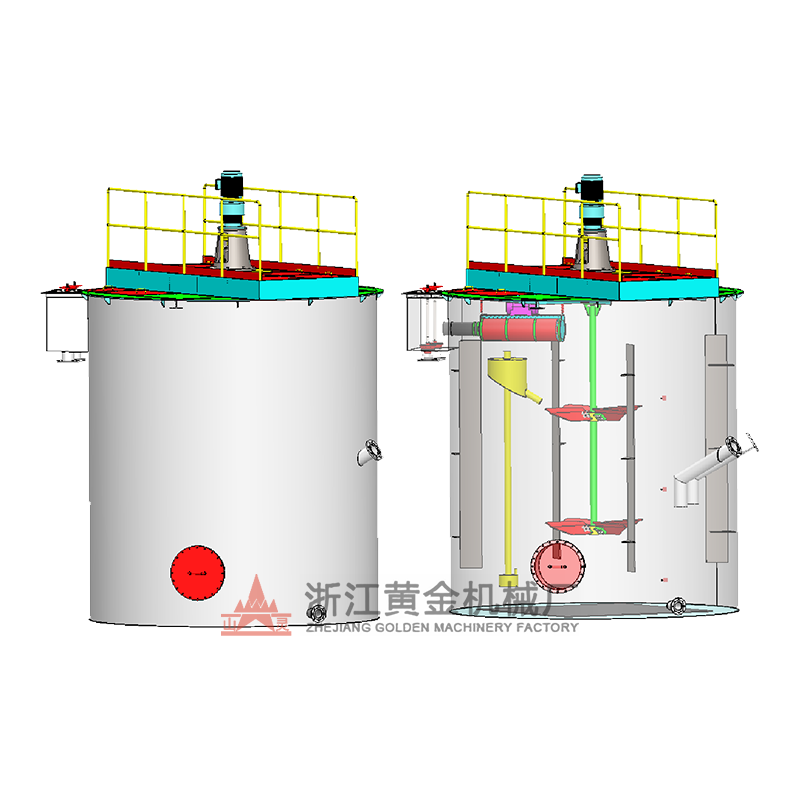 Custom Mechanical Mixing Leach Tank Suppliers, OEM/ODM Factory - Zhejiang GoldenZhejiang Golden Machinery Factory is China Mechanical Mixing Leach Tank Suppliers and OEM Factory, details:It is suitable for mechanical ...View Product →
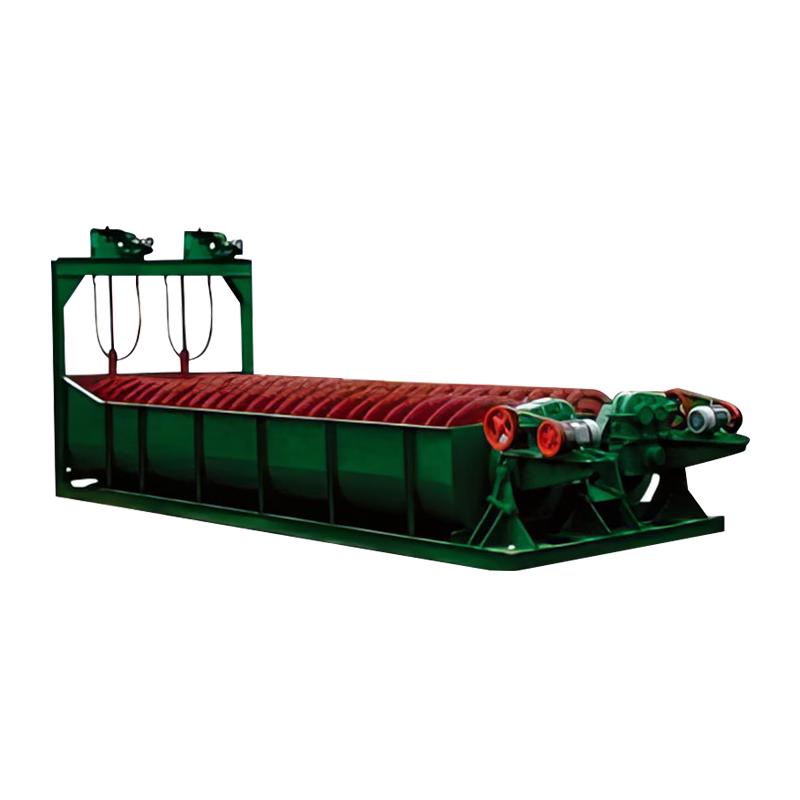 Custom Spiral Classifying Equipment Suppliers, OEM/ODM Factory - Zhejiang GoldenZhejiang Golden Machinery Factory is China Spiral Classifying Equipment Suppliers and OEM Factory, details:The main components of the spi...View Product →
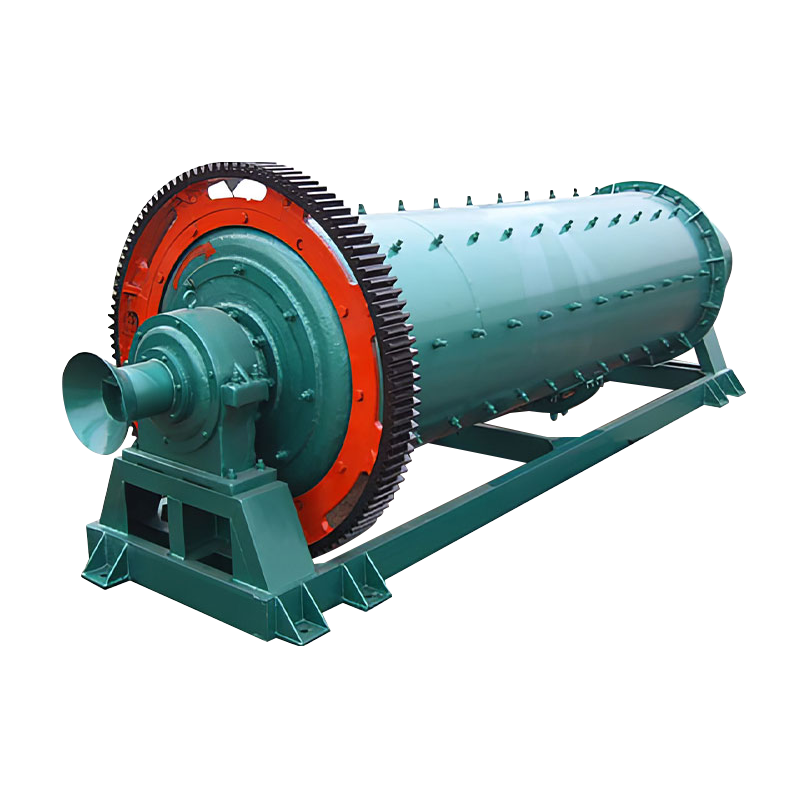 Mineral Ball Mill Manufacturers, Mineral Ball Mill FactoryZhejiang Golden Machinery Factory is China Mineral Ball Mill Manufacturers and Mineral Ball Mill Factory, offer Custom Wet Grid Type Ball...View Product →



